
Parents

What should families know this week? Explore Parents News with ideas to make home life easier!
13 September - 19 September 2026
🌱 Growing Up Together: Parenting Through Middle Childhood
 Middle Childhood Asks Something of Parents, TooAs children enter middle childhood, they become more independent, but parents are changing, too. Here's what this developmental transition asks of both.
- As children enter middle childhood, they shift from needing constant closeness to simply knowing a parent is reachable and available.
- Children begin evaluating themselves across distinct domains, academics, athletics, and social life with more realistic, less rosy self-assessments than before.
- Drawing on Ellen Galinsky's framework, this is the "interpretive stage" where parents must clearly articulate their values around achievement, effort, and friendship.
- Middle childhood for children frequently overlaps with midlife for parents, meaning both are navigating major developmental transitions at the same time.
- Parental self-efficacy, confidence in one's own parenting competence is directly linked to better parenting practices and stronger child adjustment.
 When Your Needs and Your Child's Needs Are at OddsWhat your child needs from you and what you need don't always align, and sometimes it's okay to choose yourself.
- Nancy Colier examines the tension parents feel when honouring their own needs means disappointing their children, a deeply common and often unspoken dilemma.
- Young children generally lack the cognitive capacity to see parents as separate people with independent needs, judging decisions mainly by how they affect themselves.
- The article illustrates this with a mother's decade-long struggle to claim a separate bedroom despite ongoing family objections.
- Colier frames this as a "both/and" situation: a parent's needs and a child's disappointment can both be legitimate and real at the same time.
- The recommended approach is to stay connected to one's own needs while empathising with a child's reaction without collapsing into guilt or self-abandonment.
06 September - 12 September 2026
🌱 Parenting Pressure and Burnout
 Why Millennial Mothers Feel More OverwhelmedSocial media comparison, tracking apps, reduced family support and rising expectations are leaving many millennial mothers stretched thin.
- Many millennial mothers report feeling more overwhelmed than parents of previous generations.
- Constant comparison through social media, tracking apps, and influencer content is a major driver of parental stress.
- Modern parenting can feel like optimising every milestone, monitoring emotions, curating experiences, managing everything, and researching everything.
- Millennials often moved farther from extended family and had children later, reducing traditional support networks.
- Parenting expectations have stayed the same or increased even as hands on family support has decreased, leaving many mothers stretched thin.
 Parental Burnout and Special Needs ParentingWhy parent burnout happens, how it can affect relationships, and how parents can recharge without guilt.
- Burnout among parents raising children with special needs, including ADHD, autism, anxiety, and learning differences, is widely underreported.
- Managing therapy schedules, school advocacy, and daily emotional demands compounds stress significantly over time.
- Burnout reflects accumulated strain, not a lack of love or a parenting failure.
- Warning signs include persistent fatigue, frequent crying, and feelings of anger or helplessness.
- Experts encourage parents to seek support and reframe burnout as a common and treatable experience rather than a personal shortcoming.
23 August - 29 August 2026
🌱 Parental Calm and Early Screen Habits
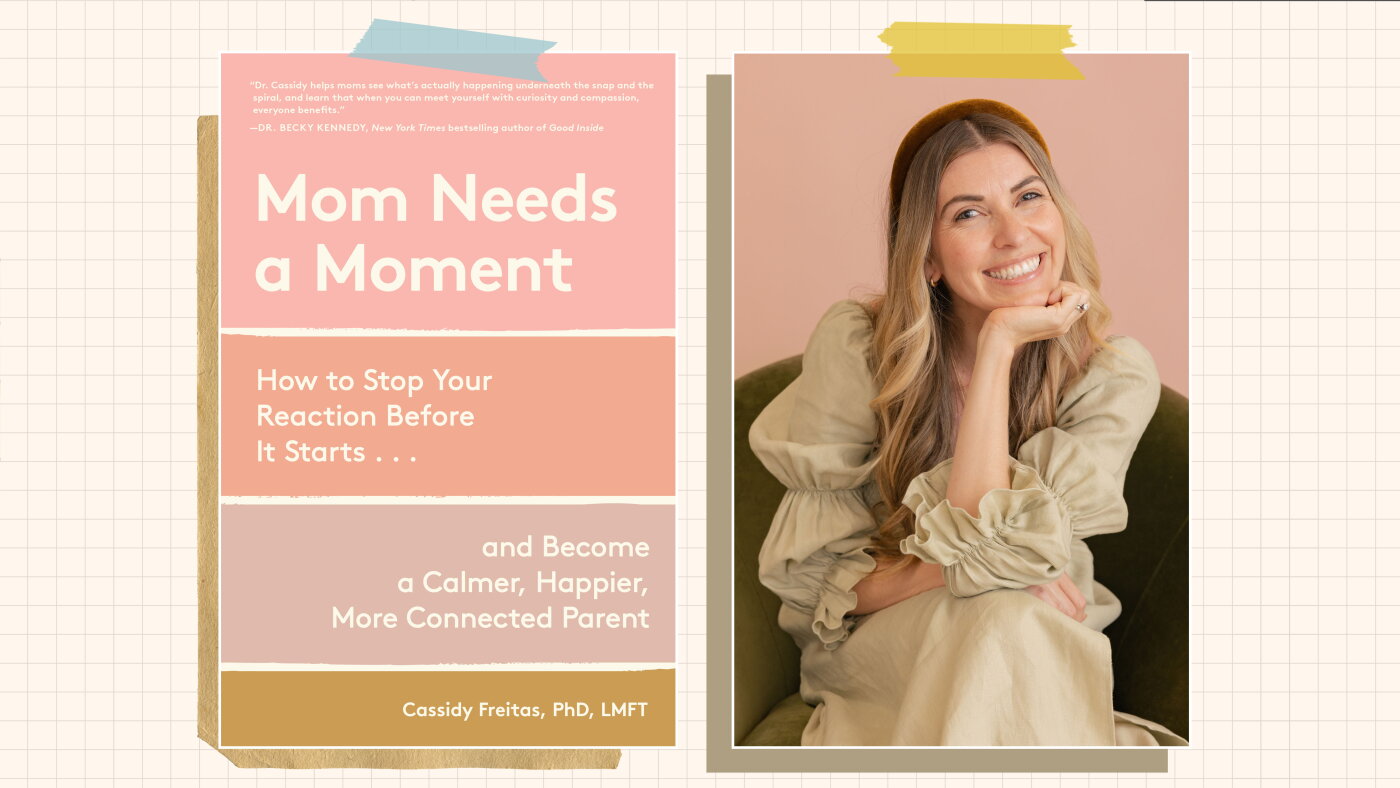 Mom Needs a Moment: How to Pause Parental RageTherapist Cassidy Freitas offers realistic, non punitive tools to pause anger and protect the parent child bond.
- Therapist Cassidy Freitas discusses why parental anger and reactivity are common and manageable, not signs of failure.
- Her framework centers on finding small margins, brief pauses that create space between a trigger and a reaction.
- The approach draws on her book, which offers concrete tools for de-escalating in the moment frustration with children.
- She emphasizes that reducing reactivity benefits both parent well being and the parent child relationship long term.
- The piece is aimed at exhausted parents looking for realistic, non punitive strategies rather than another item on a to do list.
 Today's Kindergartners Have Never Known a World Without ScreensSchool readiness is built through talking, reading and responsive interaction, not screen time.
- The piece argues that today's kindergartners have grown up in a world where screens are a constant presence from birth.
- It highlights that school readiness is built through talking, reading, and responsive back and forth interaction, not screen time.
- The author is explicit that technology itself is not the problem; the concern is screens becoming the default mode of connection.
- Pediatric visits are suggested as a practical entry point for encouraging reading and interactive habits starting in infancy.
- The article is a useful talking point for parents and early educators weighing screen use in the earliest years.
16 August - 22 August 2026
🌱 What Is a Parent's Job, Really? and Corporal Punishment in Schools
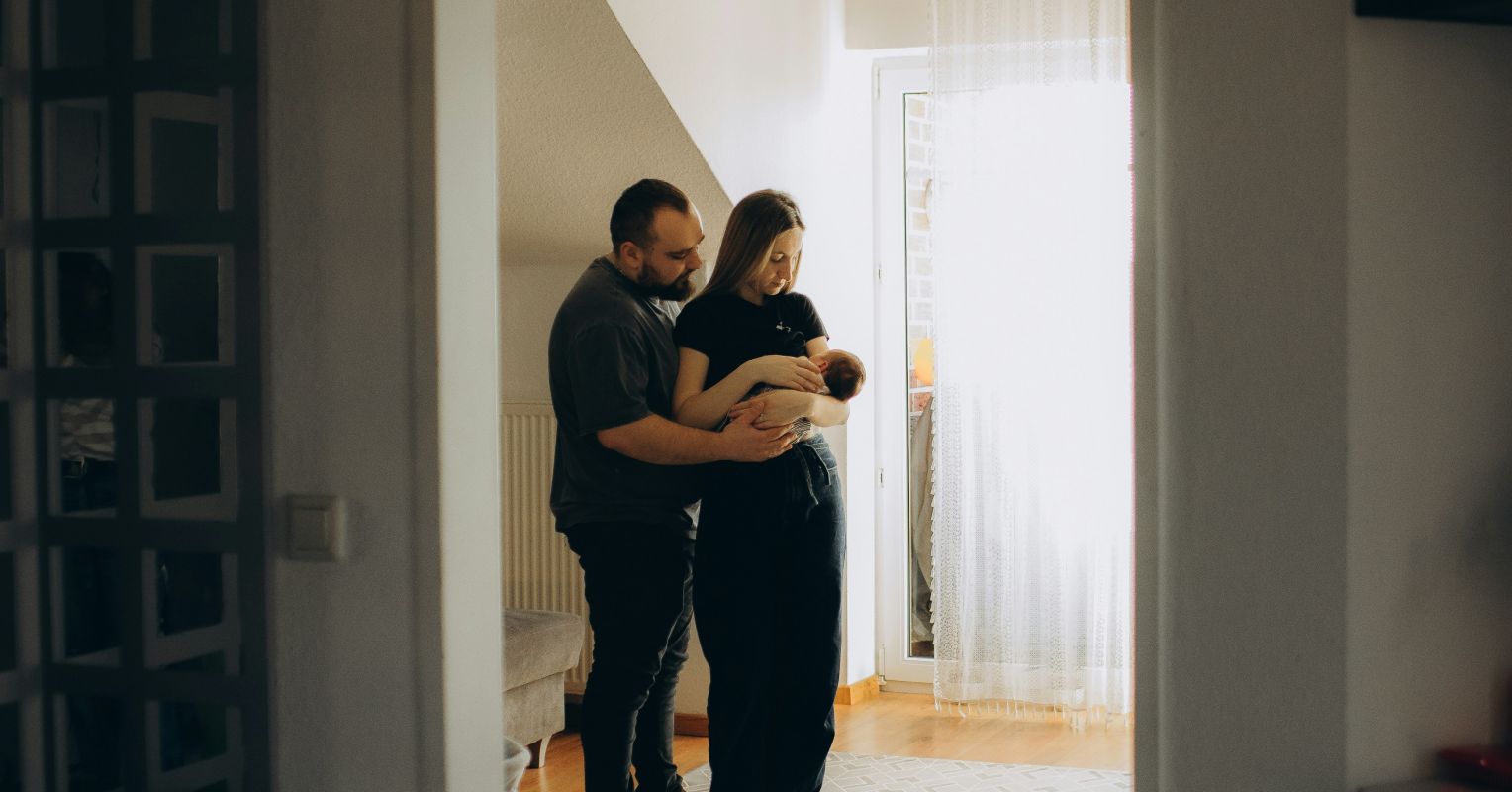 What Is a Parent's Job, Really?Parents rarely get a clear job description. Character building goals matter more than grades, popularity and control.
- Parents rarely receive a clear job description, most prenatal classes focus only on newborn care, not the years ahead.
- Research following 50 couples over 20 years distinguishes character building goals from reactive, image driven goals like grades and control.
- Tolerating short term discomfort, such as allowing a child to struggle, is key to fostering long term growth and independence.
- Mature parenting means managing your own emotional reactions rather than trying to manage every outcome for your child.
- The article draws on The Parenting Paradox and contrasts child focused parenting with a self development focused approach.
 School Corporal Punishment Policy Tracker15 US states still permit corporal punishment in public schools, with nearly 32,000 reported instances in one school year.
- 15 US states still have laws permitting corporal punishment in public schools, despite broad consensus among psychologists that the practice is harmful.
- Research links corporal punishment to increased anxiety, depression, addiction risk, and aggressive behaviour in children.
- Federal data show nearly 32,000 reported instances of corporal punishment used on K to 12 students during the 2021 to 22 school year.
- No federal law banning the practice exists, the decision currently rests with individual states and local school districts.
- Many districts that permit corporal punishment still require parental consent before it can be applied to a student.
09 August - 15 August 2026
🌱 The Back to School Parent Trap and Building Resilience
 The Back to School Parent Trap70% of parents feel pressure to buy the same clothes and gadgets as peers, and over half fear being judged for reusing supplies.
- A financial therapist explains how back to school shopping has become one of the most stressful times of year for parents.
- New research found that 70% of parents feel pressure to buy children the same clothes and gadgets as peers, even when money is tight.
- More than half of parents surveyed worry they will be judged for reusing supplies from previous years.
- Saying no and involving children in spending decisions teaches values and priorities rather than instant gratification.
- Parents are encouraged to seek help through school donation programs, tax free shopping weekends, or flexible arrangements with teachers rather than going into debt.
 Rolling Stones Song Parenting Advice Builds ResilienceA therapist shares five tips for building resilience: let kids sit with disappointment and model calm reactions.
- A therapist uses a well known Rolling Stones lyric as a jumping off point for practical parenting advice.
- Five practical tips are offered to help children move through difficult moments rather than avoiding them.
- Building resilience means letting kids sit with disappointment instead of immediately fixing every problem for them.
- Advice is framed around modeling calm reactions so children learn to regulate their own emotions.
- The overall message: children benefit more from steady support than from parents shielding them from every hard feeling.
02 August - 08 August 2026
🌱 The Hidden Mistake in Praising Children and The Low Bar Guide to Starting the School Year
 The Hidden Mistake Parents Make When Praising Their ChildrenVague, inflated praise can create anxiety and self doubt. Effort based praise builds a growth mindset that lasts.
- Overpraising means giving excessive, vague, or inflated praise regardless of actual effort or outcome, a common but overlooked parenting pitfall.
- When every drawing is "amazing" and every performance is "perfect," children may begin to doubt whether the praise is sincere.
- Some children become anxious about making mistakes because they feel pressure to maintain an idealized image others have of them.
- Effort based praise, such as acknowledging hard work rather than labeling a child as "smart," better supports a growth mindset.
- Children who receive effort focused feedback are more likely to embrace challenges and recover well from setbacks.
 The Low Bar Guide to Starting the School YearLowering self imposed expectations, school lunches and small concessions help parents start the year without burning out.
- Trying to make the school year "special" can backfire and actually increase parental stress rather than reduce it.
- Skipping homemade lunches in favour of school lunch is recommended to avoid nightly meal planning battles.
- Parents are advised to attend PTA meetings first to understand the group's culture before committing to a formal role.
- Embracing small concessions on household tasks such as "no fold September" is framed as a legitimate coping strategy.
- The overall message encourages parents to lower self imposed expectations rather than chase an idealized start to the year.