What is AI? Explained by Kids
Written for Kids. Surprisingly Useful for Adults.
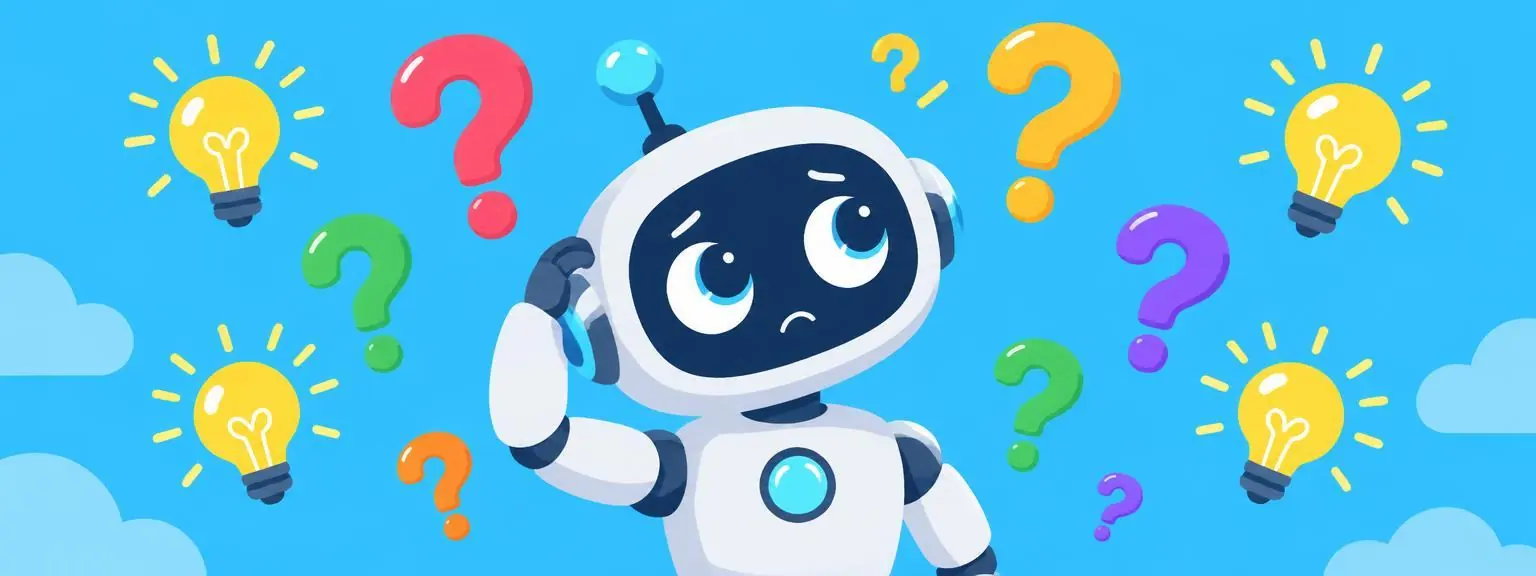
AI is Rather Strange
AI can explain why a volcano erupts, help solve a maths equation and improve a sentence.
Yet it has never visited a volcano, sat in a maths lesson or written a story because it felt inspired.
So how can it do all these things?
The answer is patterns: enormous amounts of patterns, learned from enormous amounts of information. AI did not grow up like you did. It was trained. And training changed everything.
AI and the Maths Problem
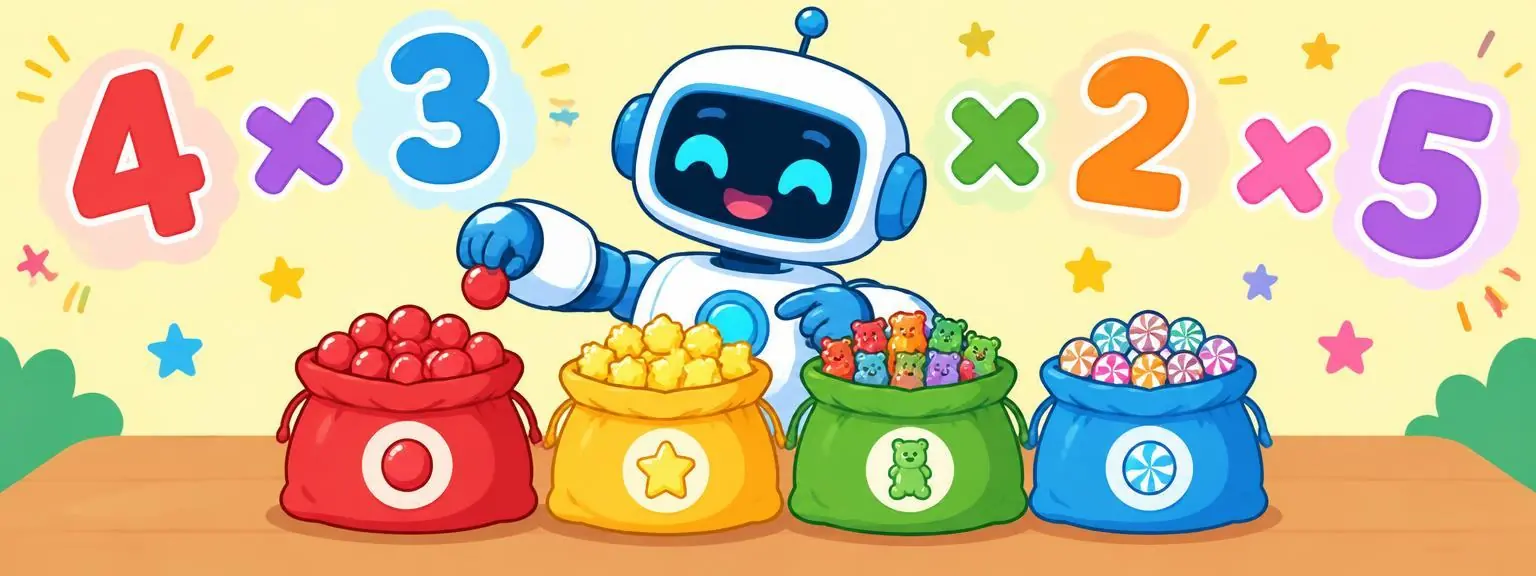
Imagine you are stuck on this equation: 4 × 6 = ?
AI might explain that you have four bags containing six sweets each, then ask you to count the total.
The answer was always 24. What AI changed was the route you took to reach it.
You ask AI for help. It recognises this is a multiplication question and can give you the answer, but it can also show you how to work it out.
You could ask: "Help me work this out using groups of sweets. Do not give me the answer immediately."
AI and the Volcano
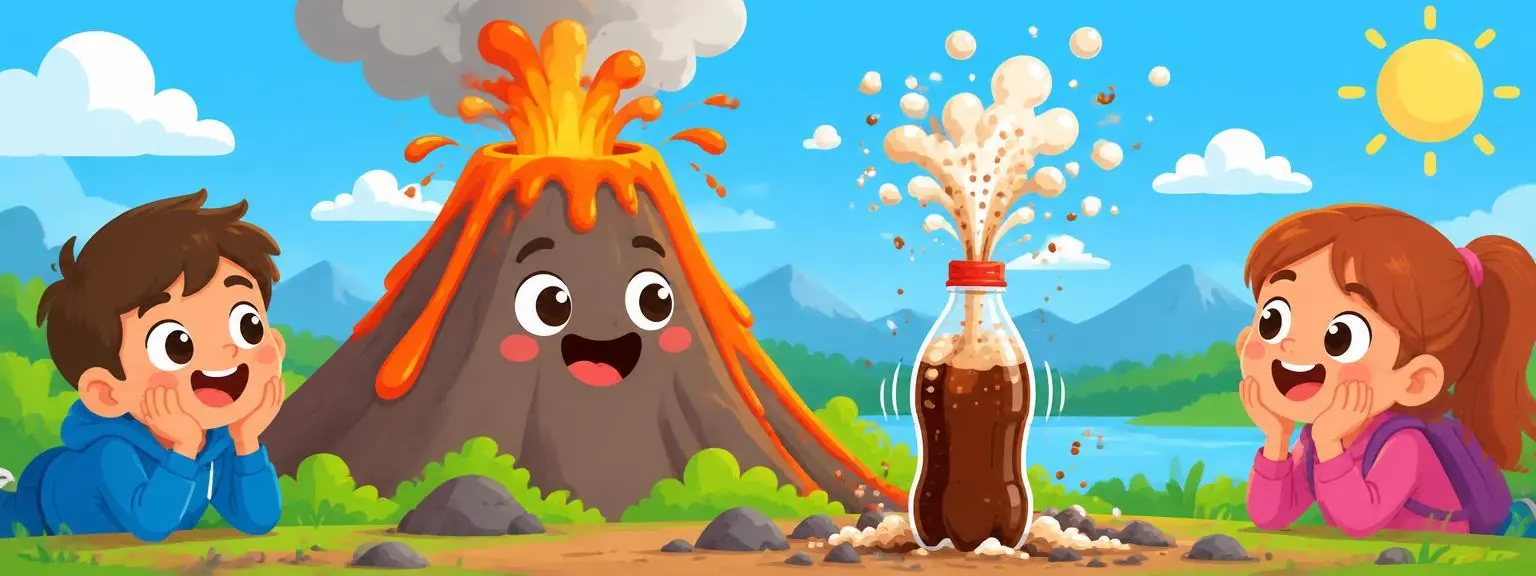
AI might compare pressure inside Earth to gas in a shaken bottle. It never visited a volcano. It connected ideas.
Imagine you ask: "Why do volcanoes erupt?"
AI recognises words such as volcano, magma, pressure and eruption. It uses patterns from its training to create an explanation.
You could then say: "Explain it to me using a bottle of fizzy drink."
AI and Your Writing
Imagine you write: "The volcano was big and it erupted and everyone was scared."
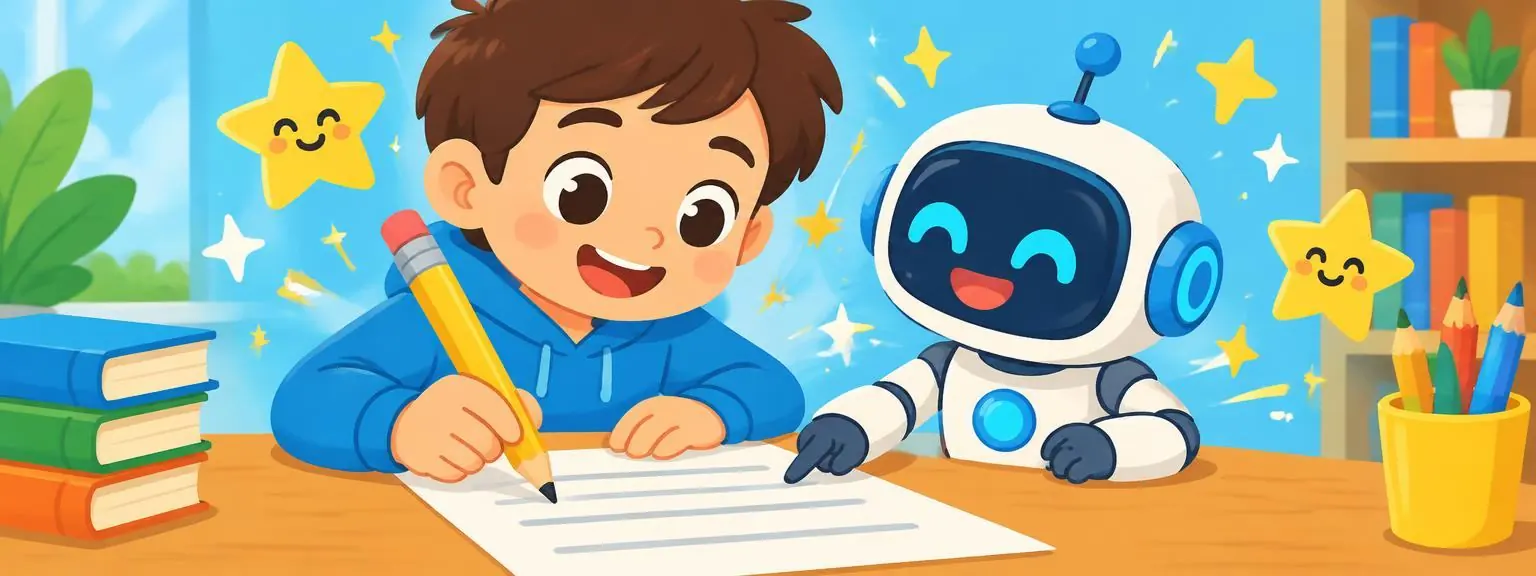
You ask AI: "Help me improve this sentence, but keep my idea and do not rewrite it for me."
AI might suggest a stronger verb, adding a sound, or describing what people could see. It may ask: "What did the eruption sound like?"
You might then write: "The enormous volcano roared as burning rock exploded into the sky." The AI helped, but the final sentence still belongs to you.
How Did AI Learn?
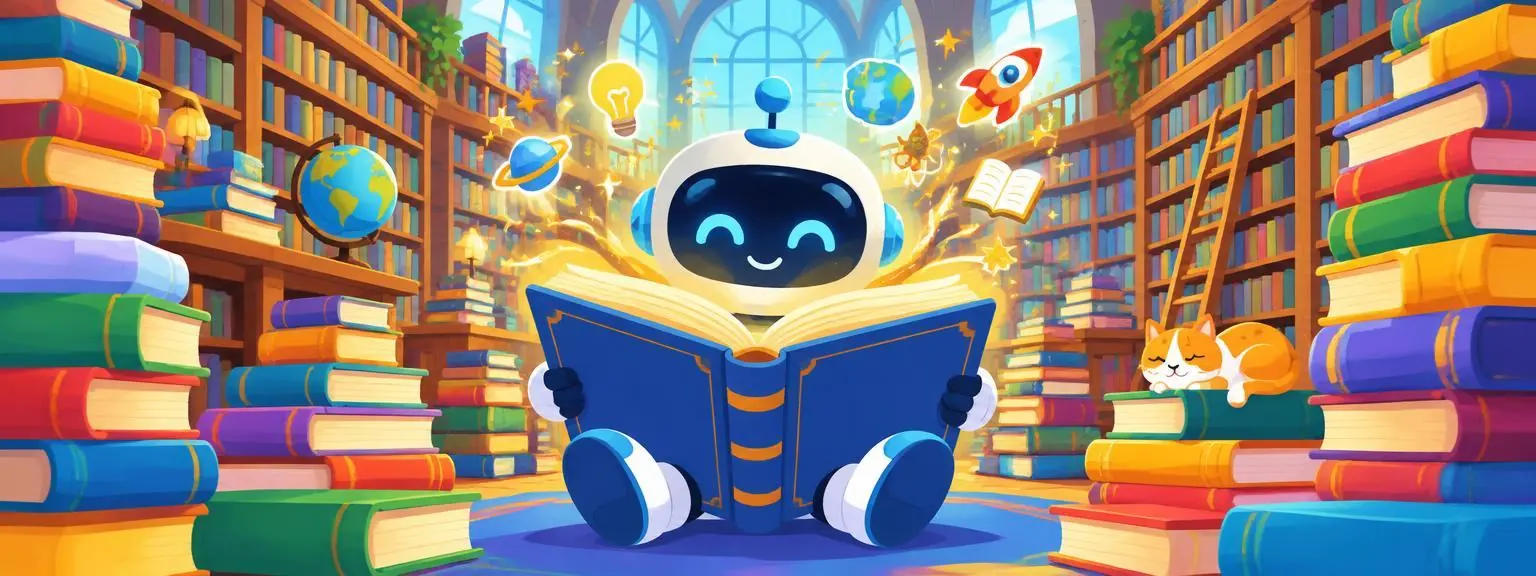
AI was not born knowing about maths, volcanoes or writing. It had to be trained. During training, an AI system studies enormous amounts of information: writing, numbers, pictures, sounds, videos and computer code. It looks for patterns:
- How words are normally used together
- How questions connect to answers
- How sentences are structured
- Which ideas are often connected
How Did AI Get Its Knowledge?
Most books, websites and articles already exist as digital text. Information is broken into tiny pieces called tokens and converted into numbers the computer can process.
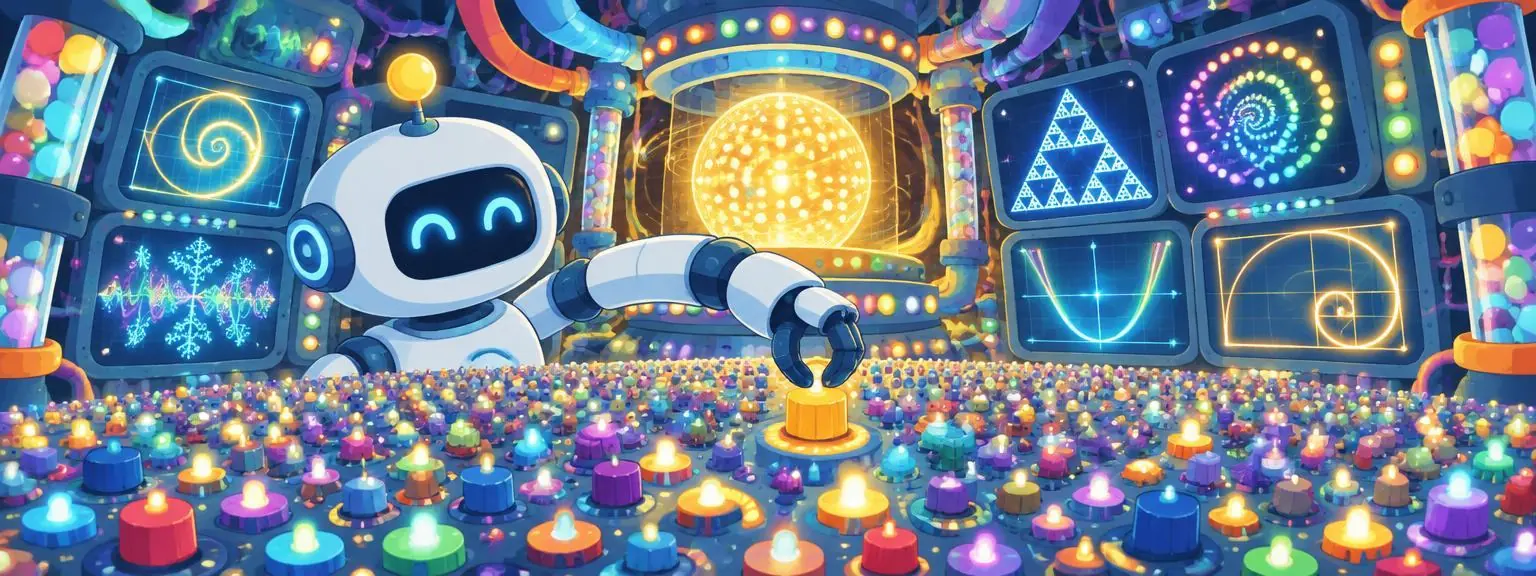
The AI then plays an enormous prediction game. Show it "The dog chased the…" and it might guess "moon" when the real answer is "ball." It measures the mistake and adjusts billions of tiny mathematical dials inside itself.
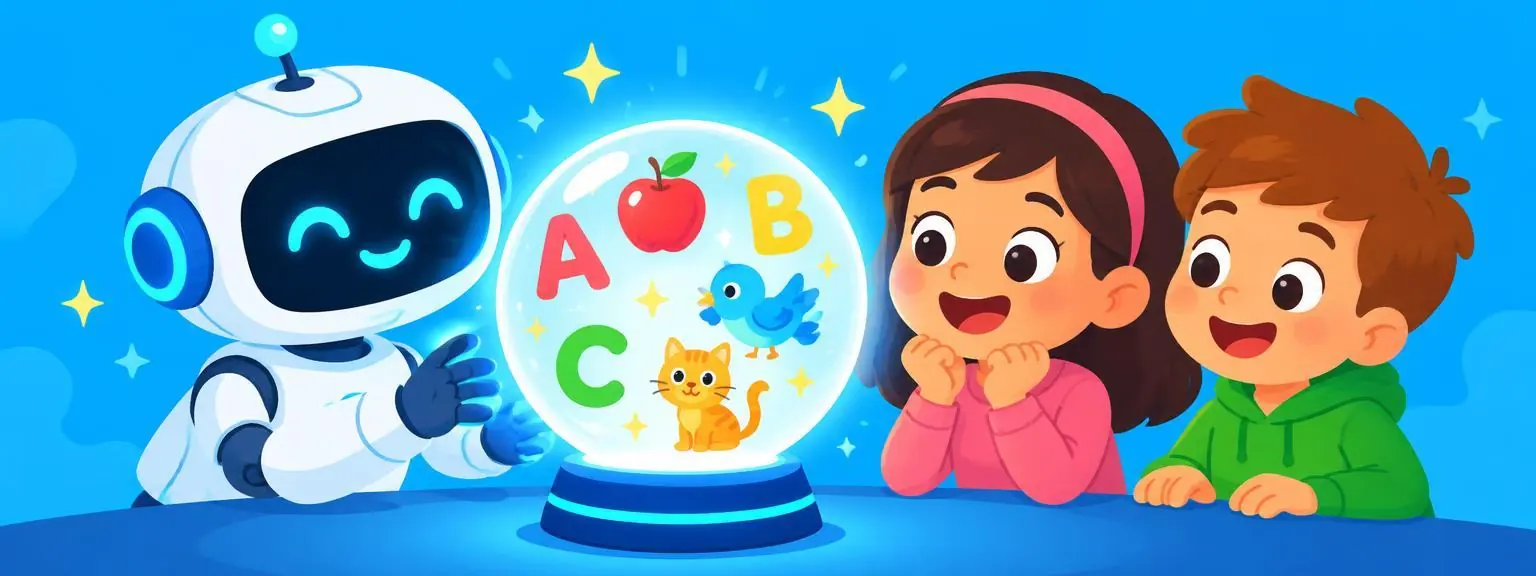
After doing this an extraordinary number of times, it begins to recognise patterns. AI is less like a giant filing cabinet and more like a pattern machine that has practised so many times it can create a new answer when you ask a question.
AI is a Prediction Machine
When you give a language AI a prompt, it predicts what should come next.
If you type: "The capital of France is…" it will probably predict the word Paris.
For a longer answer, it keeps predicting one small piece at a time until it has created a complete response.
It can explain, compare, translate, summarise, write, question and create. A fairly simple idea, used on an extraordinary scale, can produce extraordinary results.
Does AI Understand You?
AI can produce an excellent explanation of a volcano. But it has never heard one erupt, felt the ground shake or watched smoke rise into the sky.
- It can write about feeling frightened, but it does not feel fear
- It can create a joke, but it does not laugh
- It can write a recipe, but it cannot taste the food
AI understands patterns incredibly well. The safest way to think about AI is as an extremely capable assistant. It knows a great deal, works very quickly and never gets tired. It also occasionally invents nonsense with enormous confidence.
What Does AI Actually Mean?
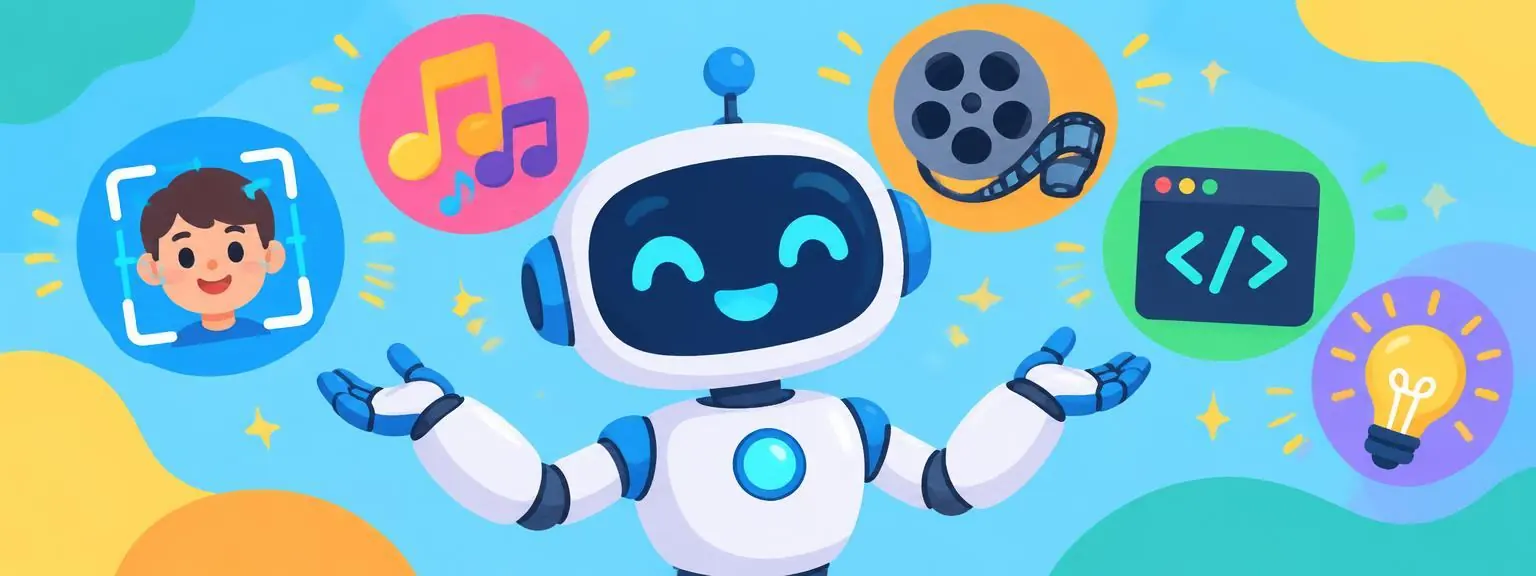
AI stands for Artificial Intelligence. Artificial means made by people. Intelligence means being able to learn, understand, solve problems or make decisions. AI is not one single machine hiding somewhere with all the answers. It is the name given to many different technologies. AI can:
- Recognise faces and voices
- Create pictures, stories and computer code
- Help people solve problems
- Make predictions and recommend films, music and videos
- Find patterns in huge amounts of information
- Understand and create language
AI is Already All Around You
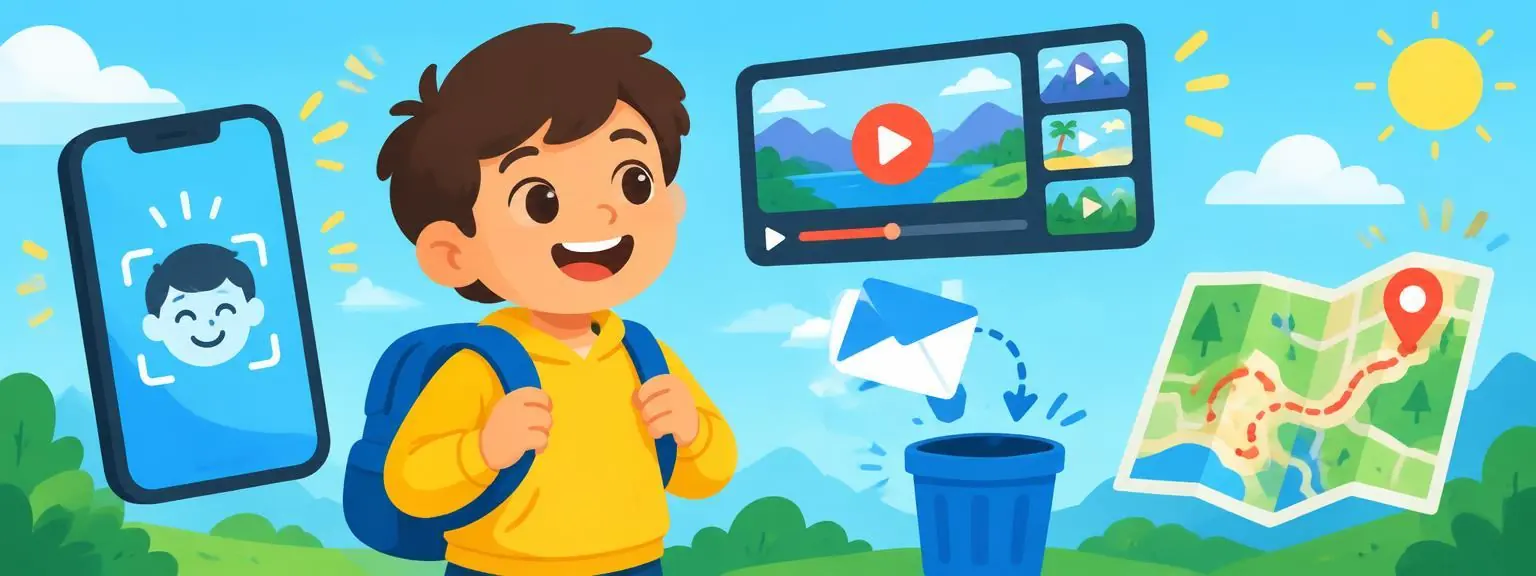
📱 Your Phone
When a phone recognises your face, AI may be involved.
📺 YouTube
When YouTube recommends a video, AI may be involved.
When suspicious messages move to spam, AI may be involved.
🗺️ Maps
When Maps finds a quicker route, AI may be involved.
The cleverest technology often becomes almost invisible. Once something works easily, we stop noticing how remarkable it is.
⚡ Fun AI Facts
Generative AI
Some AI creates brand new things: stories, pictures, music, videos, quizzes and even computer code, in response to an instruction called a prompt.
Scale of Training
During training, AI studies amounts of information no single human could read in a lifetime, then uses what it noticed to answer new questions.
Confidently Wrong
AI does not always know when it does not know something. It can invent a person, fact, quotation or website. Good writing and good information are not the same thing.
Better Together
AI may be better at some tasks. Humans are better at others. The most interesting results often happen when the two work together.
📘 Quick Summary
AI learns through patterns
During training, AI studies enormous amounts of information and notices how words, numbers and ideas connect.
AI is a prediction machine
When you give it a prompt, it predicts what should come next, one piece at a time, to create a complete response.
AI can be confidently wrong
A beautifully written answer can still be incorrect. Always check important information yourself.
AI is already all around you
From video recommendations to face recognition to spam filters, AI is working quietly behind the scenes every day.
Your brain is still the most important
AI becomes most useful when it gives your brain somewhere further to go, not when it replaces your thinking.
📖 AI Dictionary
AI
Artificial Intelligence: technology designed to perform tasks that normally need human intelligence
Training
The process where AI studies enormous amounts of information to learn patterns
Token
A tiny piece of information (like a word or part of a word) that AI processes as a number
Prompt
The instruction or question you give to an AI system
Generative AI
AI that creates something new, such as stories, pictures, music or code
Pattern
A connection or structure that AI notices repeatedly in its training information
OCR
Optical Character Recognition: technology that turns photographed letters into digital words
Prediction
AI's core skill: deciding what word, idea or answer should come next
Hallucination
When AI invents a fact, person or source that does not actually exist
Large Language Model (LLM)
A type of AI trained on vast amounts of text to understand and generate language
You are now an AI expert! 🧠✨
Keep asking questions, keep checking answers, and remember: the most important intelligence in the room is still yours!