
ICE Explained by Kids
Written for Kids. Surprisingly useful for adults 🩹
When You Hurt Yourself
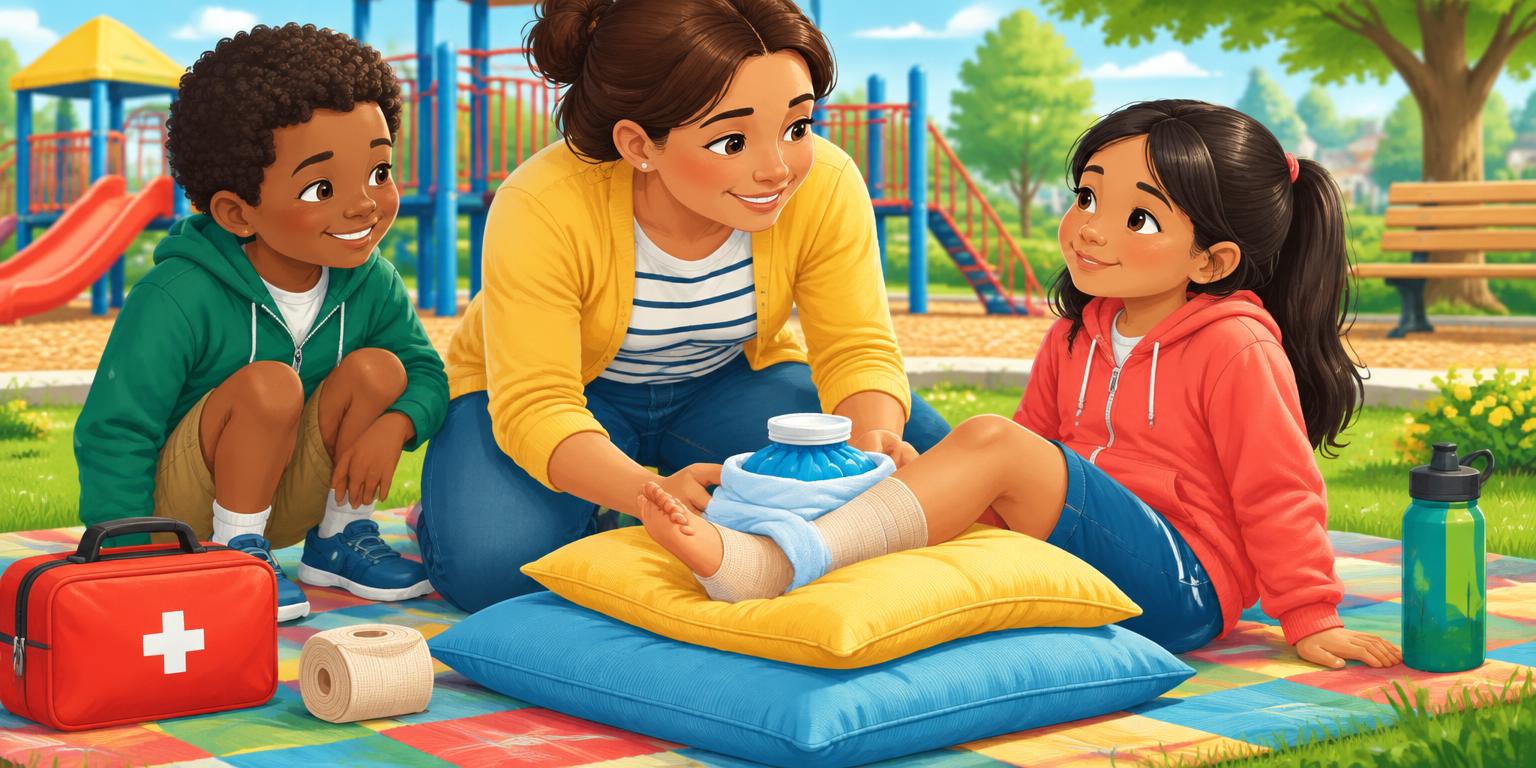
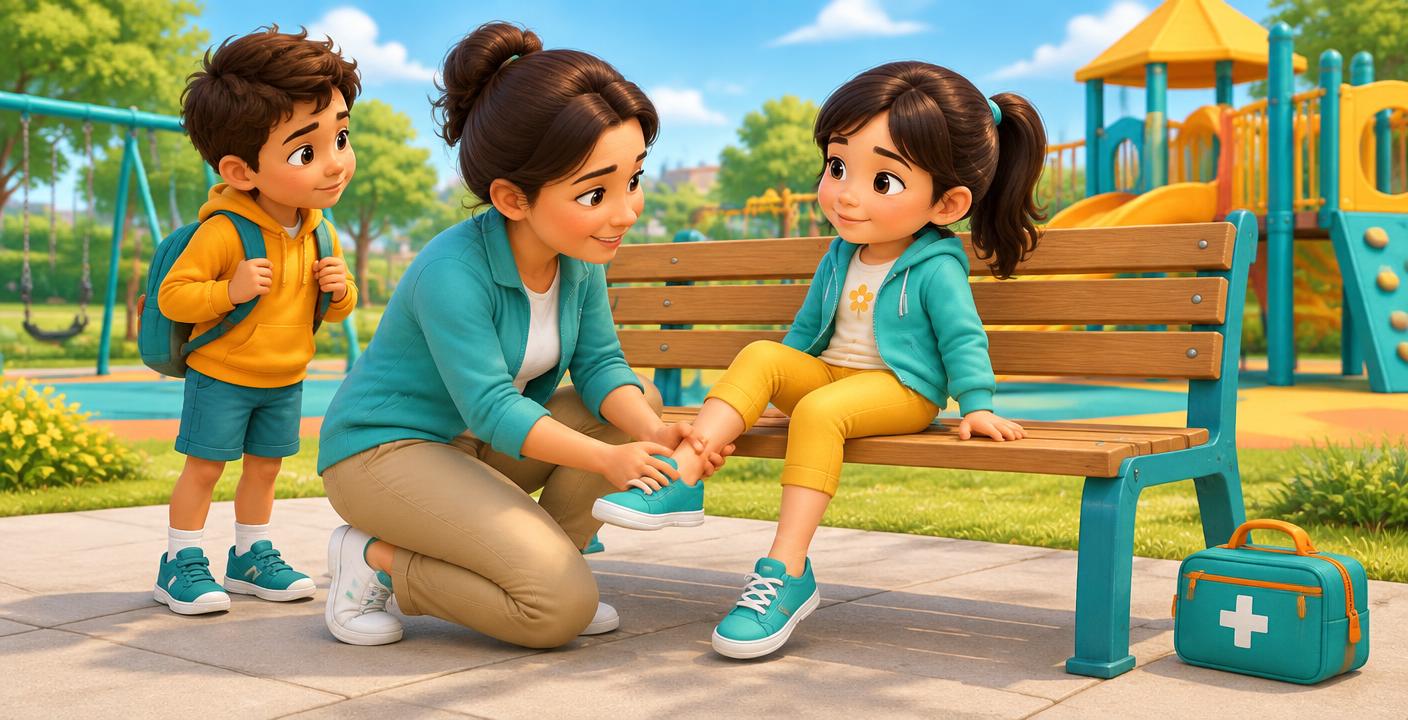
Imagine you are running across the playground when your foot lands awkwardly. Your ankle hurts and starts to swell. ICE can help manage pain and swelling after some minor injuries.
Before ICE, stop the activity, tell an adult, and protect the injured body part from more harm.
- IceA wrapped cold pack can temporarily reduce pain
- CompressionGentle support can help manage swelling
- ElevationRaising the injured part can make it more comfortable
What Happens When You Get Hurt?
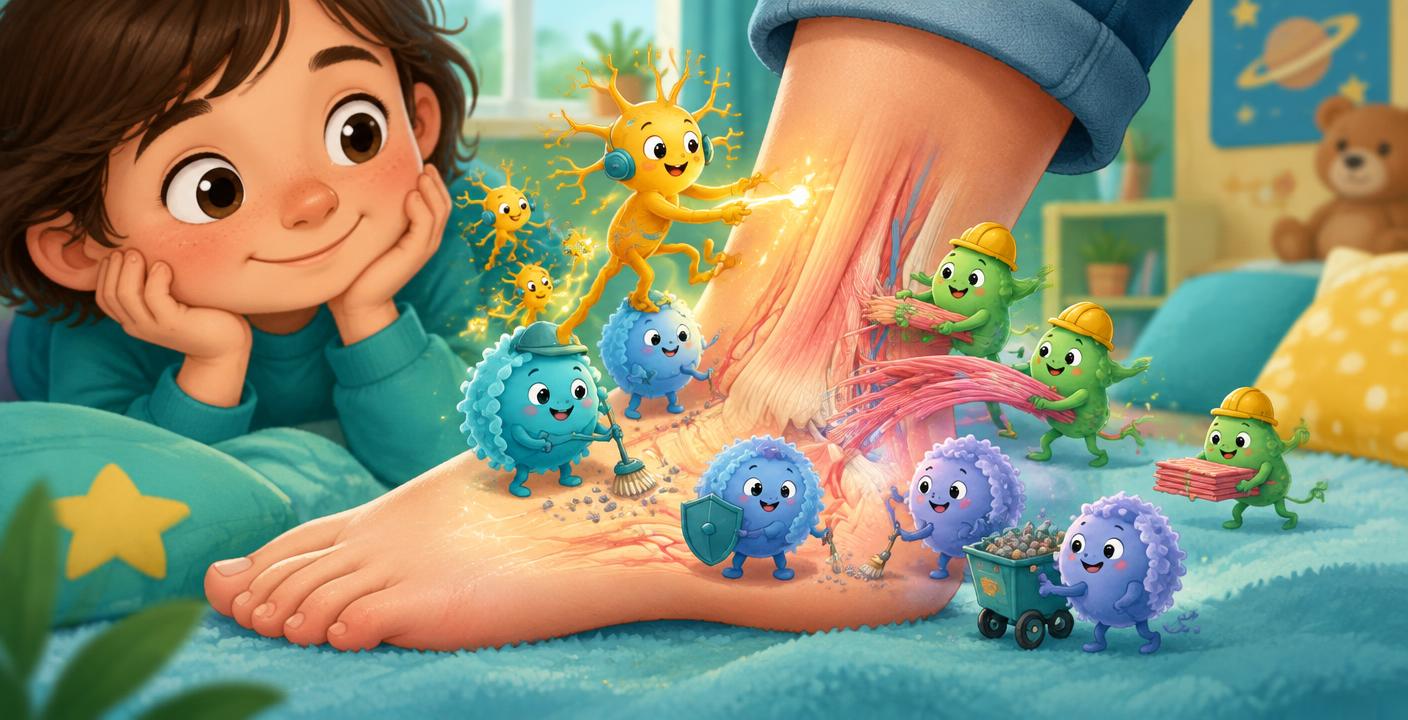
Your body has its own emergency response system. The moment you are injured, it gets to work.
Pain has an important job. It tells you to stop and protect the injured area.
- The alarm soundsNerves send signals to your brain, which you feel as pain
- Fluid arrivesFluid and immune cells move into the area and can cause swelling, warmth, and redness
- The repair crew arrivesInflammation starts the natural cleanup and repair process
I Is for Ice
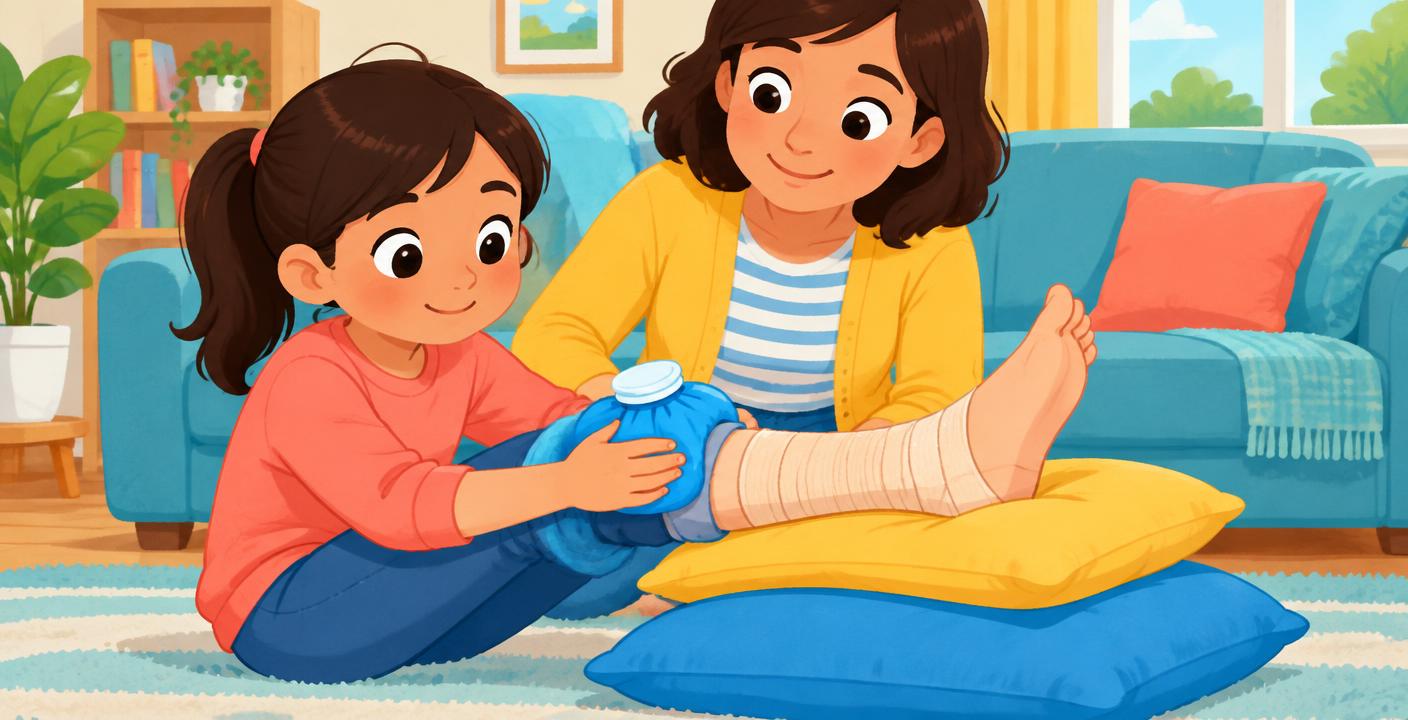
Cold can temporarily turn down pain signals and help manage swelling after some fresh minor injuries. It manages symptoms but does not instantly repair tissue.
Never put ice directly on your skin and never fall asleep with a cold pack on your body.
- TellTell an adult what happened
- WrapWrap the cold pack or frozen item in a towel
- PlaceRest it gently over the injured area
- TimeKeep it there for about 10 to 20 minutes
- RemoveLet the skin warm normally before another application
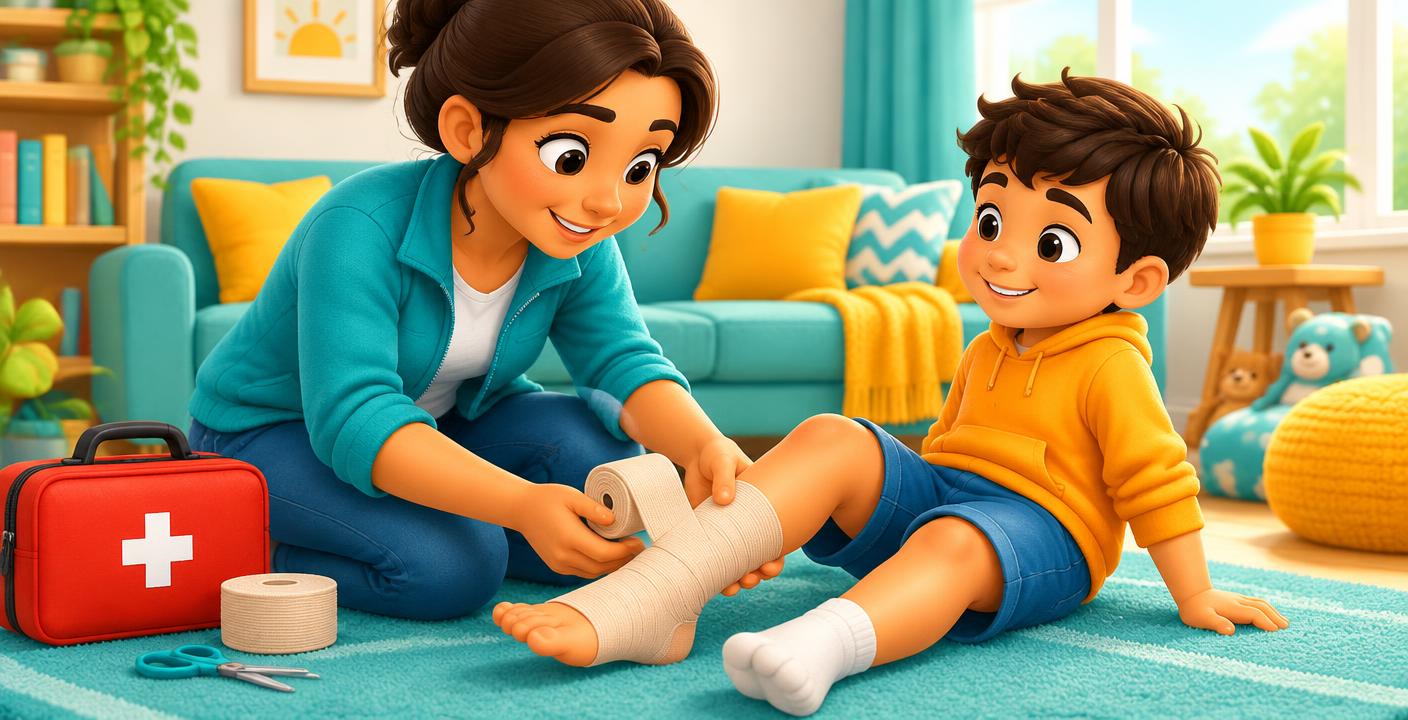
C Is for Compression
Compression means gently supporting an injured area with an elastic bandage or suitable support. Gentle pressure can help limit swelling and provide support.
Children should ask an adult or trained first aider to help with compression.
- SupportiveA bandage should feel comfortable, not painfully tight
- Numb or tinglyLoosen the bandage
- Cold, pale, or blue skinLoosen it and tell an adult
- Worse pain or swelling below itRemove or loosen it and get help
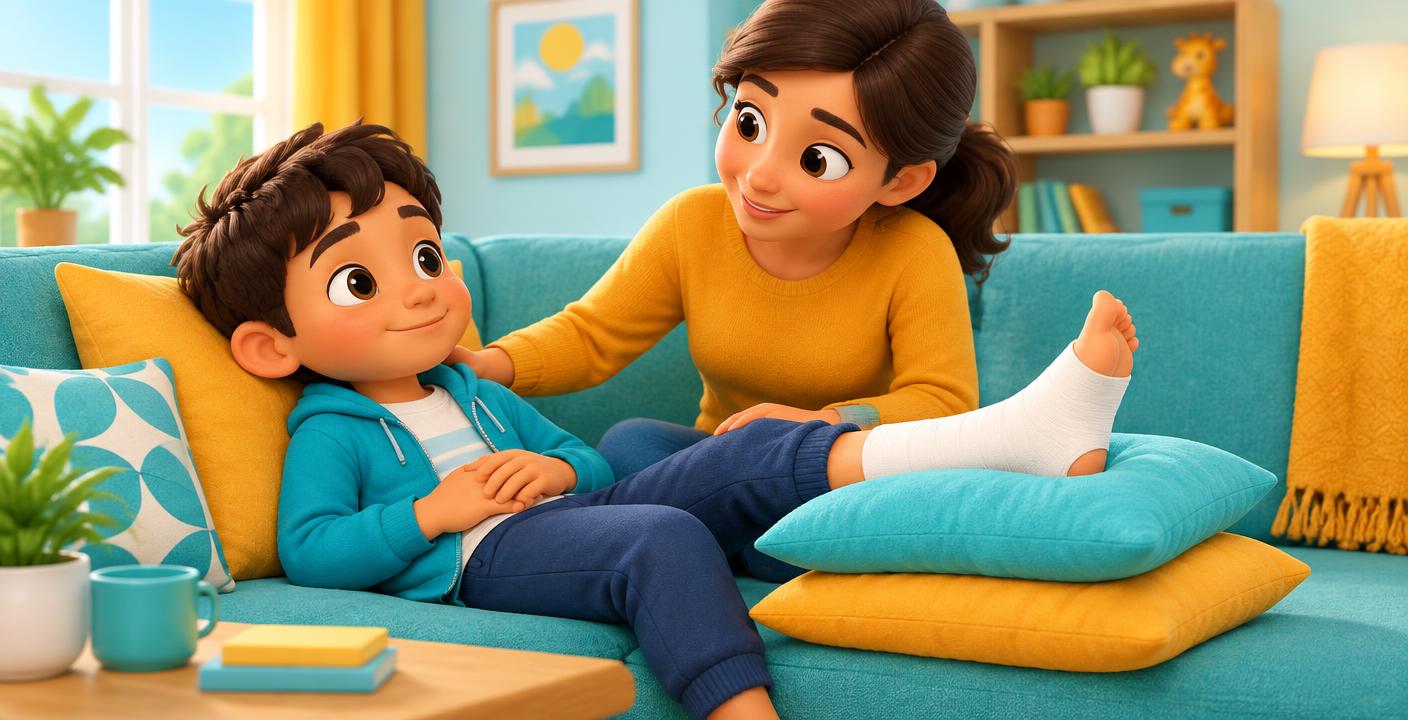
E Is for Elevation
Elevation means raising the injured body part, ideally above the level of your heart when practical. For an ankle, lie down and rest your leg on pillows.
Gravity helps fluid move away from the swollen area, which may reduce swelling and discomfort.
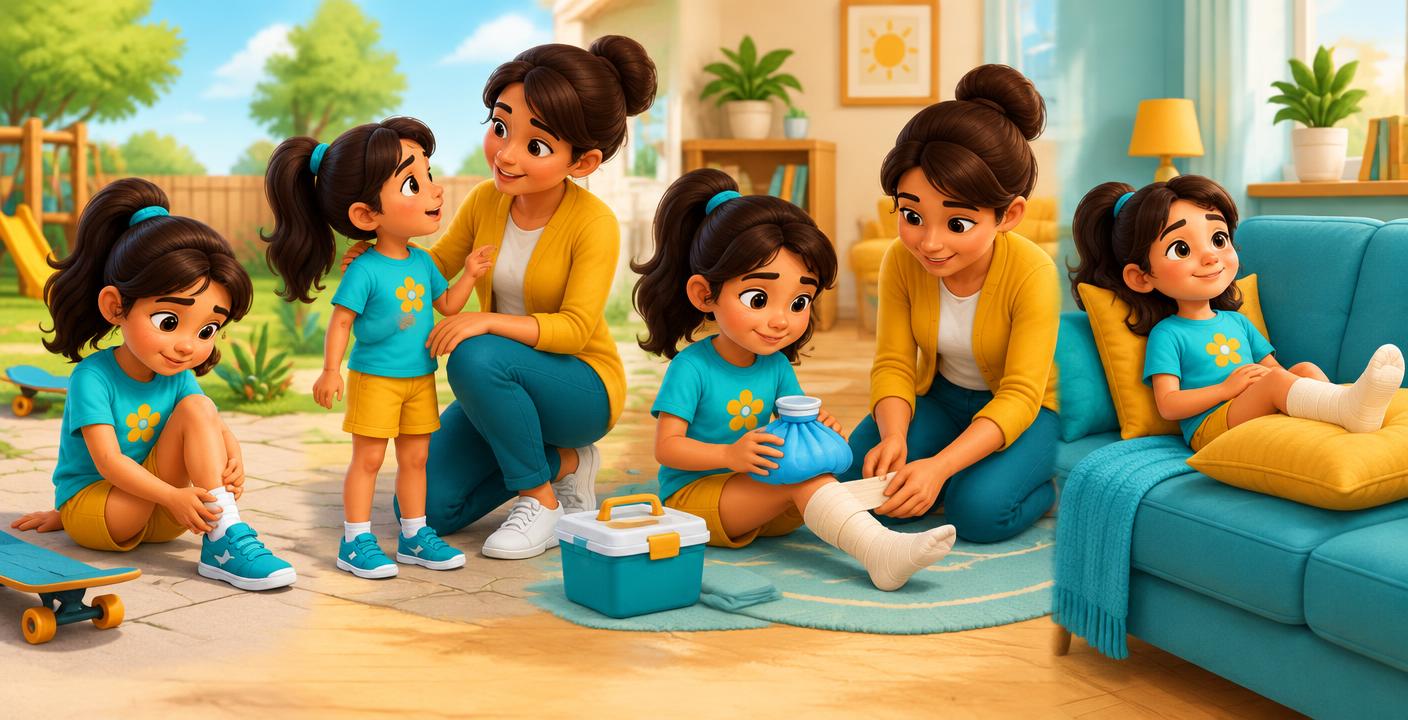
Your Injury Action Plan
- StopStop the activity
- TellTell an adult, teacher, coach, or first aider
- ProtectPrevent more harm to the injured area
- IceUse a wrapped cold pack briefly if appropriate
- CompressUse gentle support with adult help if appropriate
- ElevateRaise the injured area when practical
- MoveAfter serious injury is ruled out, return gradually to gentle movement as it becomes comfortable
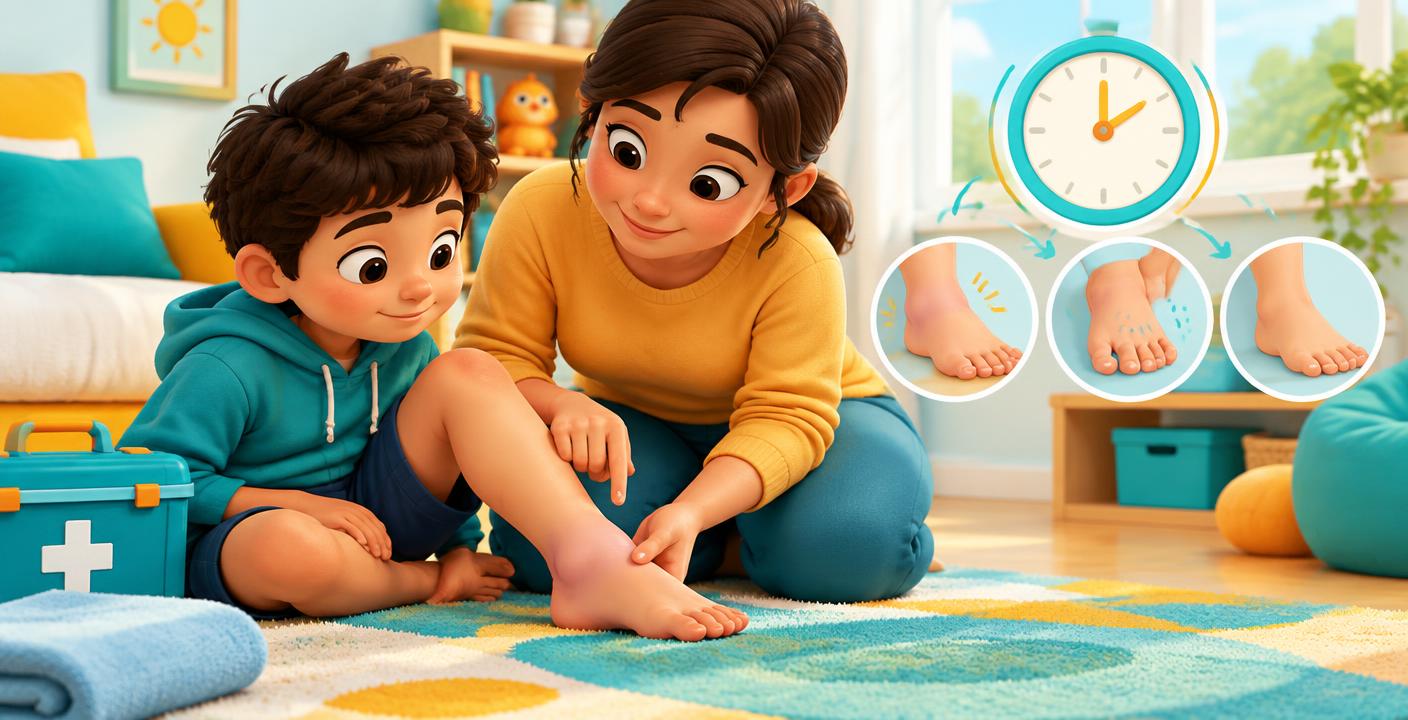
What Should You Watch For?
A mild injury may hurt and swell a little but should gradually become more comfortable. Tell an adult and get medical advice when you are unsure.
- Mild painThe area gradually becomes more comfortable
- Small swellingSome swelling can happen after a sprain, strain, or bruise
- MovementYou can still move the area, although it may feel uncomfortable
- Getting worseIncreasing pain, fast swelling, or worsening movement needs attention
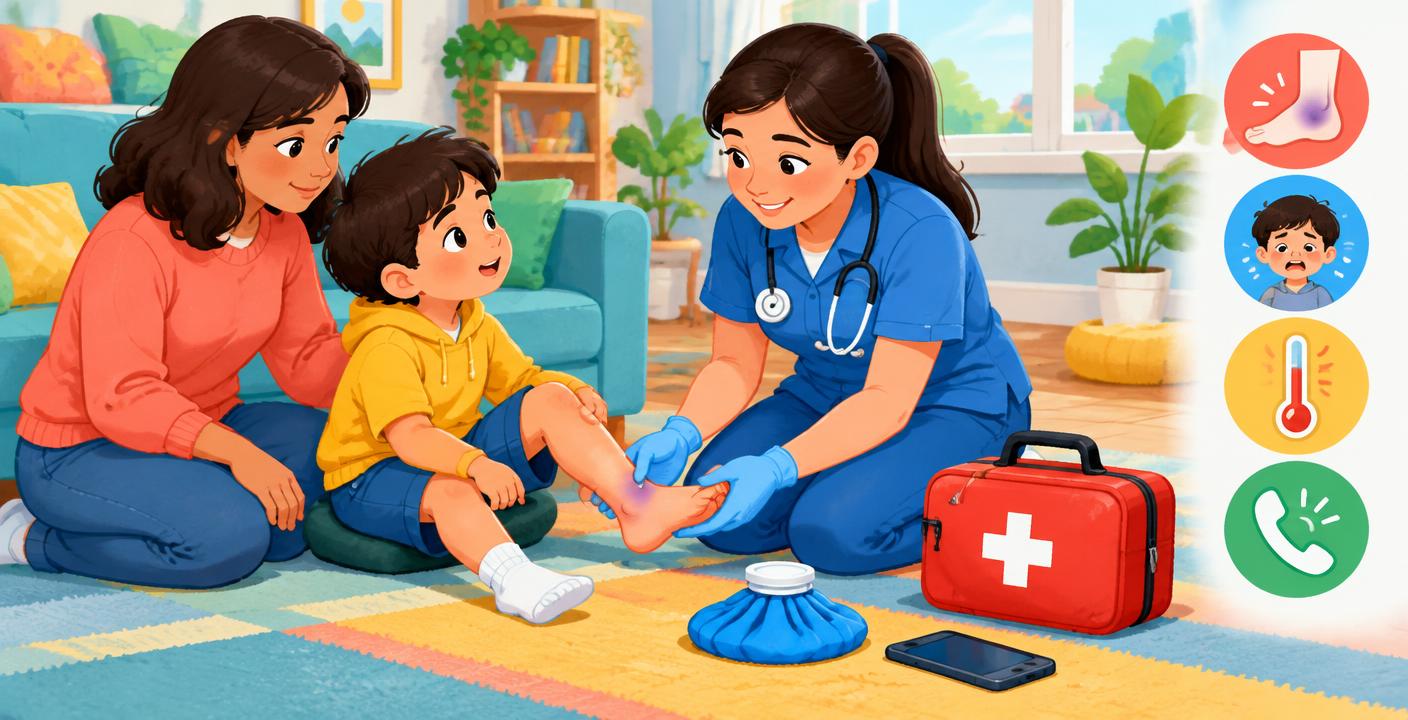
When ICE Is Not Enough
Some injuries need more than basic first aid. Get an adult, first aider, or medical professional involved. Emergency symptoms need urgent medical attention.
- Possible broken boneThe body part looks bent or unusually shaped
- Serious painPain is severe or keeps getting worse
- Cannot use itYou cannot stand, walk, or use the injured part normally
- Heavy bleedingThere is serious bleeding or a deep wound
- Poor circulationFingers or toes are cold, numb, very pale, or blue
- Rapid swellingSwelling becomes very large very quickly
- Head, neck, or back injuryGet help, especially with confusion, vomiting, unusual sleepiness, or a seizure
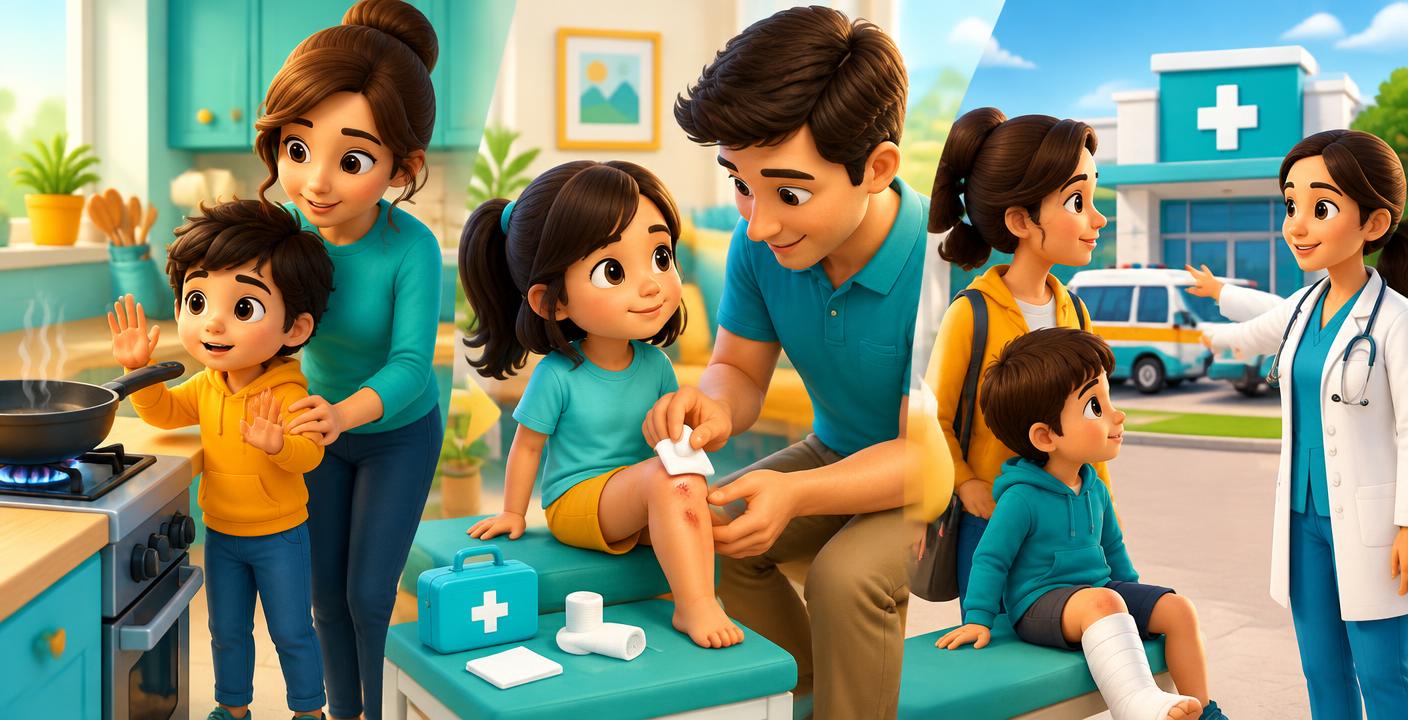
ICE Is Not Right for Every Injury
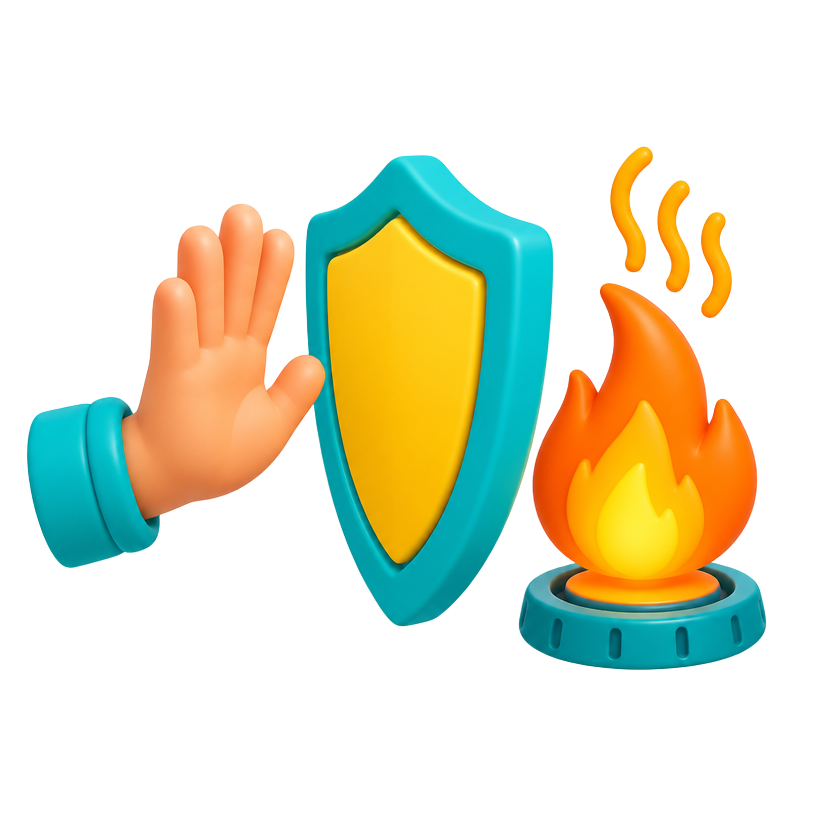
- BurnsDo not put ice directly on a burn
- Open woundsControl bleeding and get appropriate cleaning and covering
- Suspected broken bonesDo not try to straighten the bone yourself
- Snake bitesGet urgent medical help instead of using ICE
- Cold sensitive conditionsAsk a healthcare professional before using cold

Your Body Has Its Own Repair Team
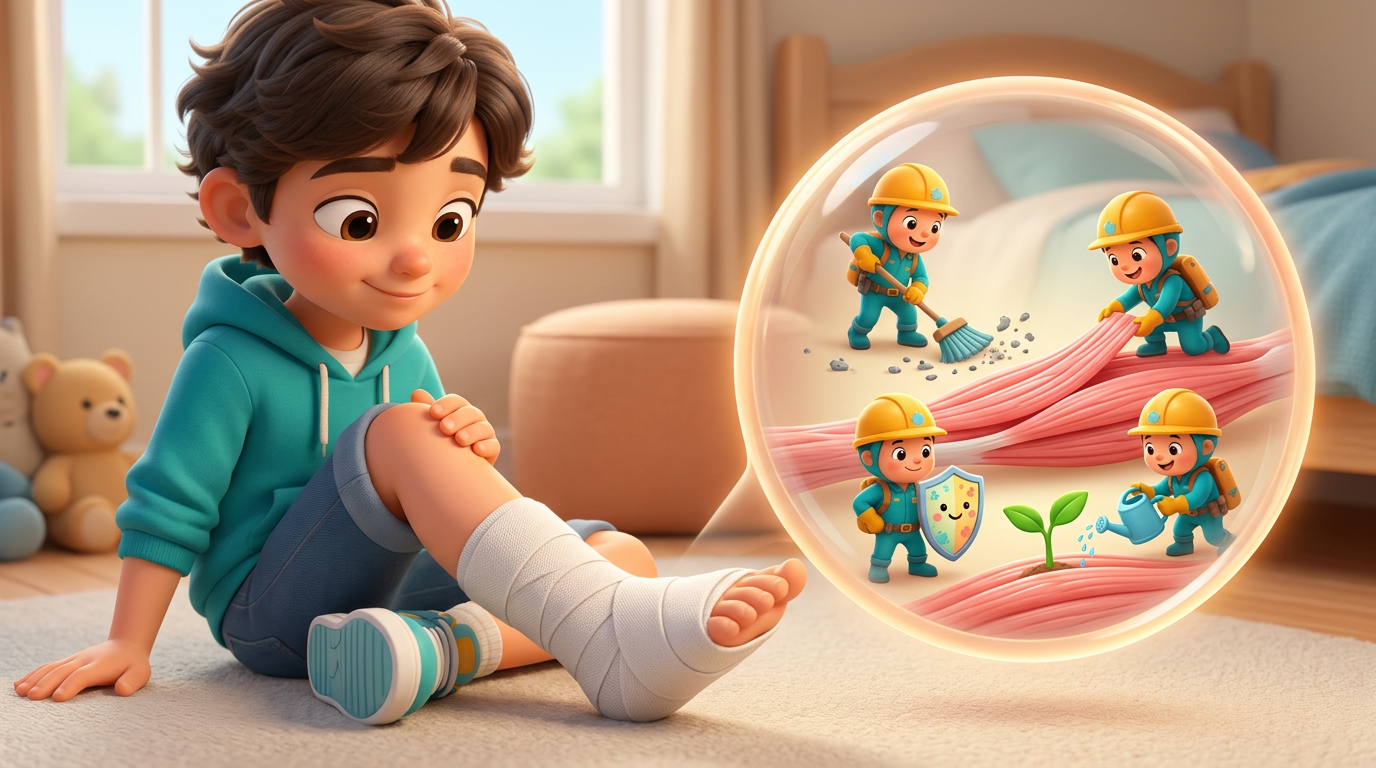
ICE does not heal an injury by itself. Your body does much of the work.
Your body is like a tiny repair workshop that never stops working!
- InflammationImmune cells and chemicals arrive
- CleanupDamaged cells and tissue are cleared away
- RepairYour body begins rebuilding damaged tissue
- RecoveryAppropriate care and gradual movement help the area become stronger
🩹 Amazing First Aid Facts
Pain Alarm
Pain is one of your body's warning systems. It reminds you to stop and protect yourself.
Swelling
Swelling is partly caused by fluid moving into injured tissues.
Gravity
Elevation can help fluid move away from an injured limb.
Tell Someone
One of the most important first aid steps is telling a trusted adult what happened.
📘 Quick Summary
🛑 Stop
Stop the activity and prevent more injury.
🧊 Ice
Use a wrapped cold pack for a short time when appropriate.
🩹 Compress
Use gentle support with adult help when appropriate.
⬆️ Elevate
Raise the injured area when practical.
👀 Watch
Look for signs that the injury may be serious.
📣 Ask
Tell an adult or healthcare professional when unsure.
📖 First Aid Dictionary
Injury
Damage to part of your body caused by an accident, fall, or impact.
Sprain
An injury to a ligament, often caused when a joint twists or stretches.
Strain
An injury involving a muscle or tendon.
Bruise
A patch of skin that changes colour after tiny blood vessels are damaged underneath.
Inflammation
The body's natural response to injury, which can cause warmth, pain, redness, and swelling.
Compression
Gentle pressure that supports an injured area and can help manage swelling.
Elevation
Raising an injured body part to help manage swelling.
First aid
Immediate care for someone who is injured or suddenly unwell.
Circulation
The movement of blood around the body.
Recovery
The process of getting better after an injury or illness.
You Are Now an ICE First Aid Expert!
Stay calm, stop, protect, use ICE safely, and always know when to ask an adult for help.